Choosing the good piping gadget can outline the long-term overall performance and protection of any water infrastructure challenge. UPVC water pipe strategies have emerged as a secure selection for municipal drinking water, agricultural irrigation, and sewage purposes. Unlike everyday substances, UPVC combines sturdiness with corrosion resistance, minimizing repairs while ensuring compliance with current hygiene and safeguard principles.
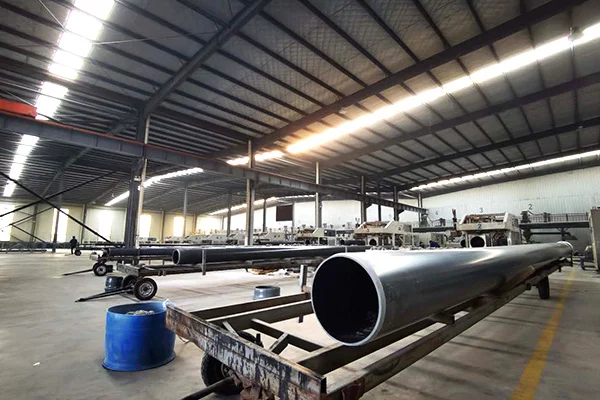
Why UPVC Pipes Are a Practical Choice
Urban water supply networks face challenges comparable to fluctuating pressures, chemical publicity, and the desire for lengthy service lifestyles. UPVC pipe for water supply meets these calls for due to a aggregate of materials balance and engineered design. In train, installations in residential neighborhoods convey minimum leakage over years, even if running beneath pressures of 6 to sixteen bar. The inflexible yet lightweight nature of UPVC also simplifies transportation and decreases installation exertions in comparison to metal opportunities.
Applications in Irrigation and Agriculture
For agricultural tasks, UPVC pipe for irrigation delivers steady water glide with out illness probability. Farmers in semi-urban areas usally file that accurate sized UPVC networks guard uniform distribution, regardless of whether offering water to row plants or greenhouse platforms. Unlike metal or older PVC variations, UPVC resists algae buildup, which could disrupt go with the flow and clog emitters. Additionally, its chemical resistance ensures compatibility with fertilizers and water medication components.
Sewage and Wastewater Management
Handling sewage calls for pipes that face up to corrosive elements and fluctuating temperatures. UPVC pipe for sewage meets those criteria even though conserving sleek inside surfaces that diminish blockages. In municipal projects, the pipes’ dimensional balance reduces joint rigidity, and standardized fittings simplify network enlargement or preservation. Engineers occasionally decide on UPVC over basic materials because it balances structural integrity with long-time period cost efficiency.
Compliance and Standards
Quality and regulatory compliance are critical for public infrastructure. UPVC strategies conforming to ISO1452 ascertain hygienic water beginning even as minimizing chemical leaching. This average also covers pressure ratings, joint efficiency, and long-time period longevity. In perform, contractors making use of certified UPVC items file fewer guaranty issues and smoother approvals from nearby experts, reinforcing the subject material’s fame for reliability.
Installation Considerations
Successful UPVC pipe install relies on proper making plans and dealing with. Key issues include:
- Correct pipe sizing to tournament pass prices and force requirements
- Use of excellent solvent cement or gasketed joints for leak-free connections
- Adequate beef up spacing to avoid sagging in horizontal runs
- Protection from direct sunlight for the time of garage to lower UV degradation
While the drapery is light-weight, installers be aware that slicing and joining pipes requires cautious alignment. Improper procedures can compromise pressure functionality or lessen service life, fantastically in top-upward push water distribution procedures or irrigation networks spanning various hectares.
Performance Benefits
UPVC pipes combine countless functionality reward that cause them to suitable for varied programs:
- Corrosion resistance: No rusting or chemical degradation even in aggressive environments
- Longevity: Service life steadily exceeds 50 years in municipal and agricultural setups
- Low maintenance: Smooth inner surfaces slash friction losses and clogging
- Cost efficiency: Lightweight pipes scale down deploy and transportation costs
- Hygiene: Complies with ISO standards for potable water delivery
Practical Insights from Field Experience
Field observations in urban water tasks exhibit that integrating UPVC pipe procedures simplifies upkeep making plans. Valve replacements, network extensions, and emergency repairs are speedier and more secure in contrast to steel possibilities. For irrigation tasks, the modularity of UPVC pipes allows for phased deployment, letting farmers enlarge networks in response to seasonal water demands. Similarly, in wastewater structures, gentle bore designs curb pumping electricity and cut back sediment buildup, making movements cleansing much less regularly occurring.
Choosing the Right UPVC Pipe
Selecting the proper UPVC pipe requires consciousness to diameter, wall thickness, and intended software. Engineers many times come to a decision thicker pipes for prime-drive mains when picking smaller diameters in distribution or irrigation traces. Matching the pipe specification to local water chemistry, glide standards, and soil stipulations guarantees overall performance longevity. Reliable providers also grant documentation verifying ISO1452 compliance, simplifying regulatory approval.
Conclusion
Whether for urban water distribution, agricultural irrigation, or sewage control, UPVC pipes supply reliability, hygiene, and long-term rate potency. By combining corrosion resistance, ease of setting up, and compliance with ISO standards, they supply a practical resolution across distinct functions. For engineers and contractors seeking a versatile and sturdy piping process, exploring upvc water pipe alternate options is a pragmatic step closer to powerful water leadership. Learn extra and overview the complete product number at UPVC Water Pipe.